





CÔNG TY TNHH ĐIỆN LẠNH PHAN GIA

Nhà thầu thi công ĐHKK và thông gió Chuyên Nghiệp

Hotline:

0931 837 839

Kinh doanh - Dự án:

0902 980 892

Bảo trì - Sửa chữa:

0909 980 892

Lợi ích của máy lạnh trung tâm

Việc lựa chọn hệ thống làm lạnh cho một tòa nhà hoặc một cơ sở kinh doanh không chỉ ảnh hưởng đến sự thoải mái của người sử dụng mà còn có tác động đến môi trường và tài chính của bạn. Máy lạnh trung tâm đã trở thành một lựa chọn thông minh cho nhiều người quản lý tài sản vì nó cung cấp nhiều lợi ích mà không gì có thể so sánh. Trong bài viết này, chúng tôi sẽ tìm hiểu về lợi ích của máy lạnh trung tâm và tại sao bạn nên xem xét nó cho hệ thống làm lạnh của bạn.

Tổng quan về Máy lạnh trung tâm 

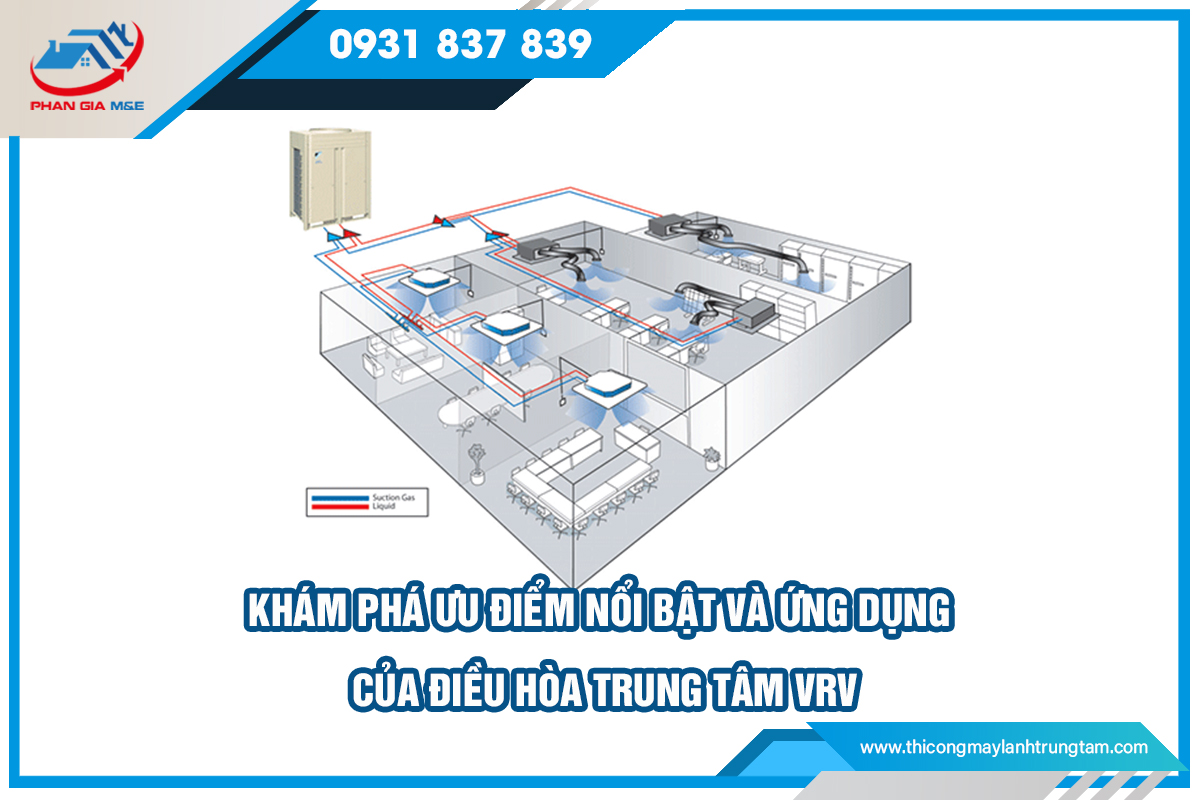
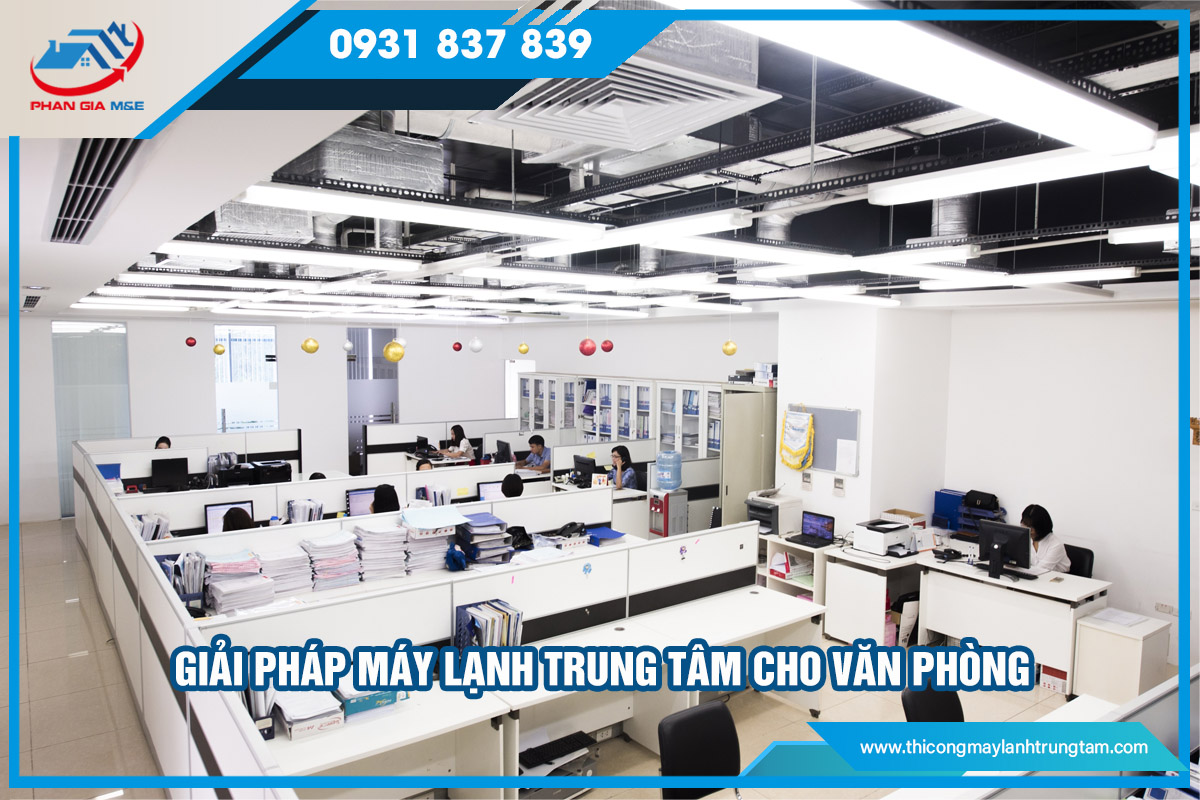
Máy lạnh trung tâm là một hệ thống máy lạnh dành cho các tòa nhà cao tầng, văn phòng hoặc các công trình có diện tích lớn. Hệ thống này được thiết kế để làm lạnh hoặc sưởi ấm một cách hiệu quả và tiết kiệm năng lượng. Điều hòa trung tâm còn được gọi là hệ thống điều hòa VRV (Variable Refrigerant Volume), tức là hệ thống có khả năng điều chỉnh lưu lượng môi chất làm lạnh thông qua việc điều chỉnh tần số dòng điện.

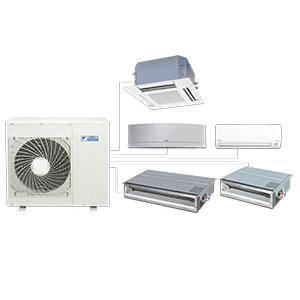
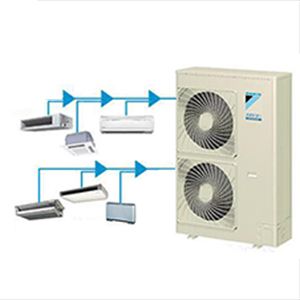
Hệ thống điều hòa trung tâm có khả năng kết nối một dàn nóng với nhiều dàn lạnh khác nhau. Điều này cho phép các dàn lạnh hoạt động độc lập, tức là bạn có thể mở hoặc tắt từng dàn lạnh mà không ảnh hưởng đến các dàn lạnh khác. Điều này giúp duy trì sự thoải mái và hiệu quả trong tòa nhà cao tầng mà không cần lắp đặt nhiều dàn nóng ngoài trời.

>>>Xem thêm: Thi công điều hòa giấu trần

Điểm đặc trưng của hệ thống Điều hòa trung tâm
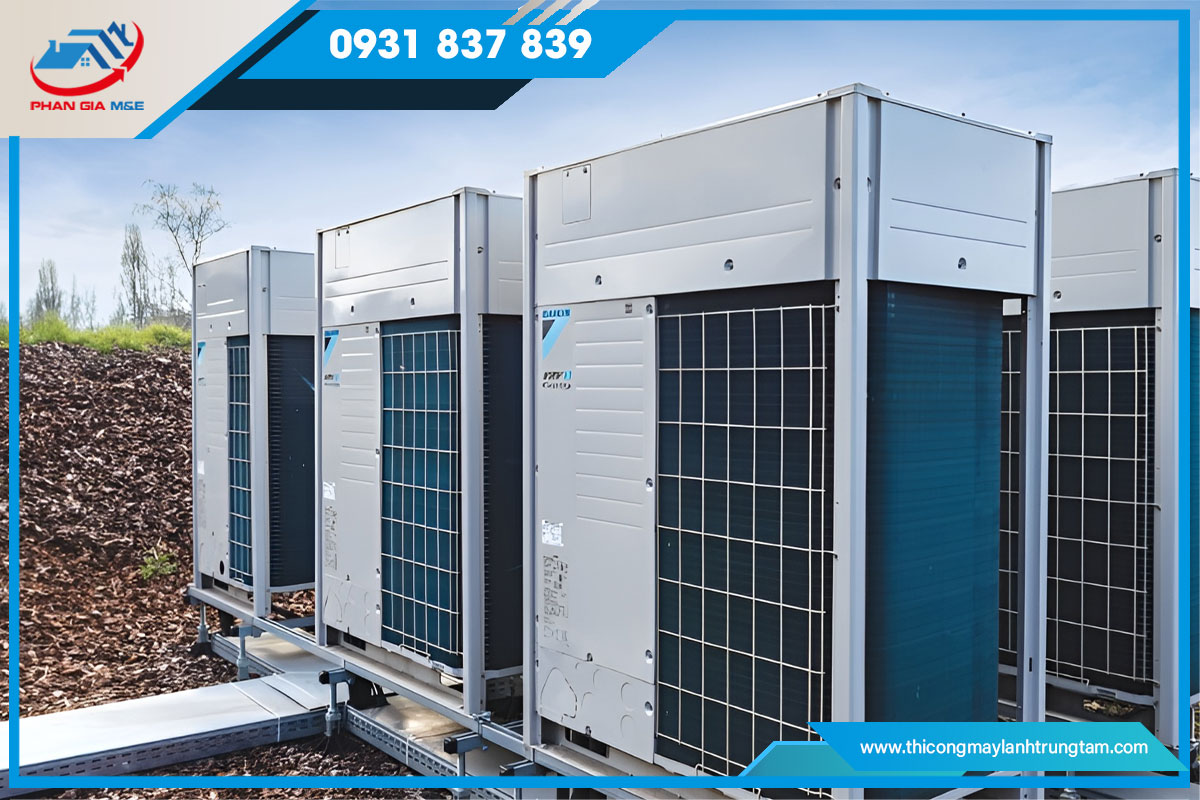
Một điểm đặc biệt của hệ thống VRV là khả năng kết hợp từ một đến ba máy nén.  Tùy thuộc vào công suất của hệ thống. Máy nén chính điều khiển biến tần (inverter) bằng cách thay đổi tần số điện.  Từ đó thay đổi tốc độ quay của động cơ. Điều này dẫn đến sự thay đổi của tác nhân làm lạnh thông qua máy nén. Từ đó thay đổi tải làm lạnh của máy nén inverter. Hệ thống có thể điều chỉnh năng suất làm lạnh thông qua 62 bước cho máy có công suất từ 54Hp.

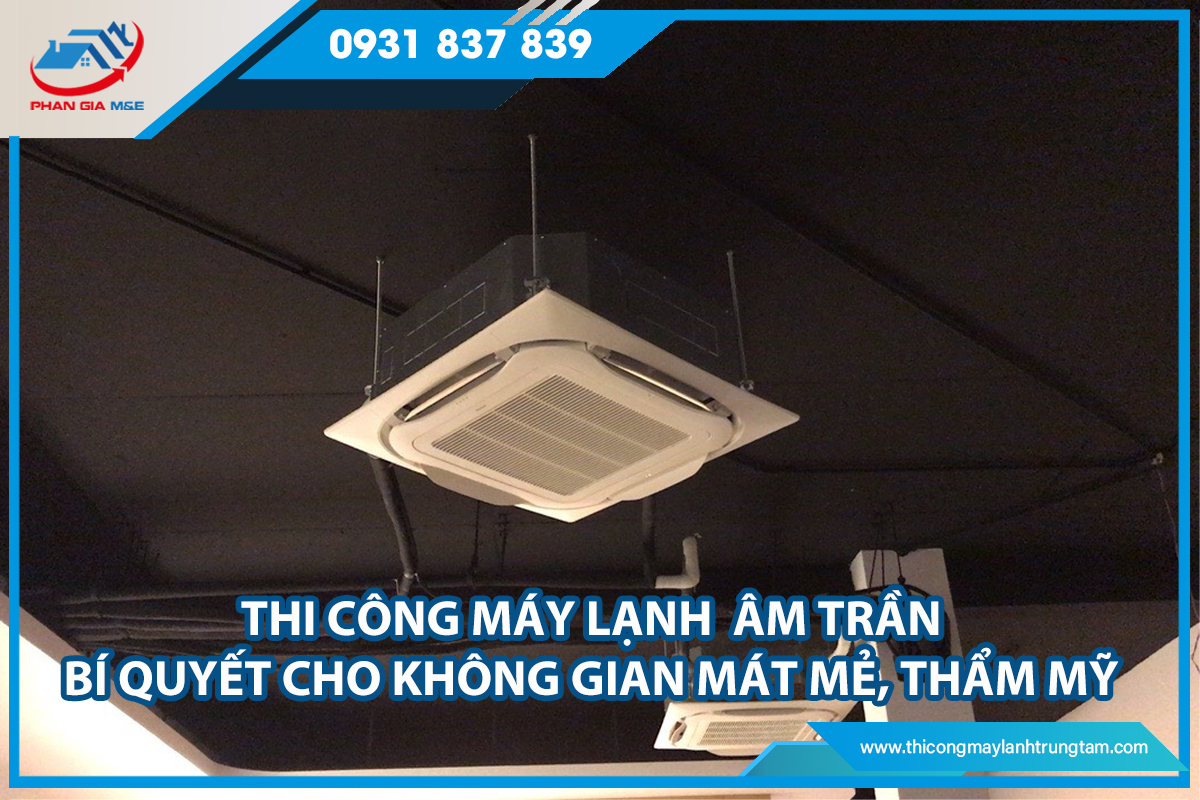
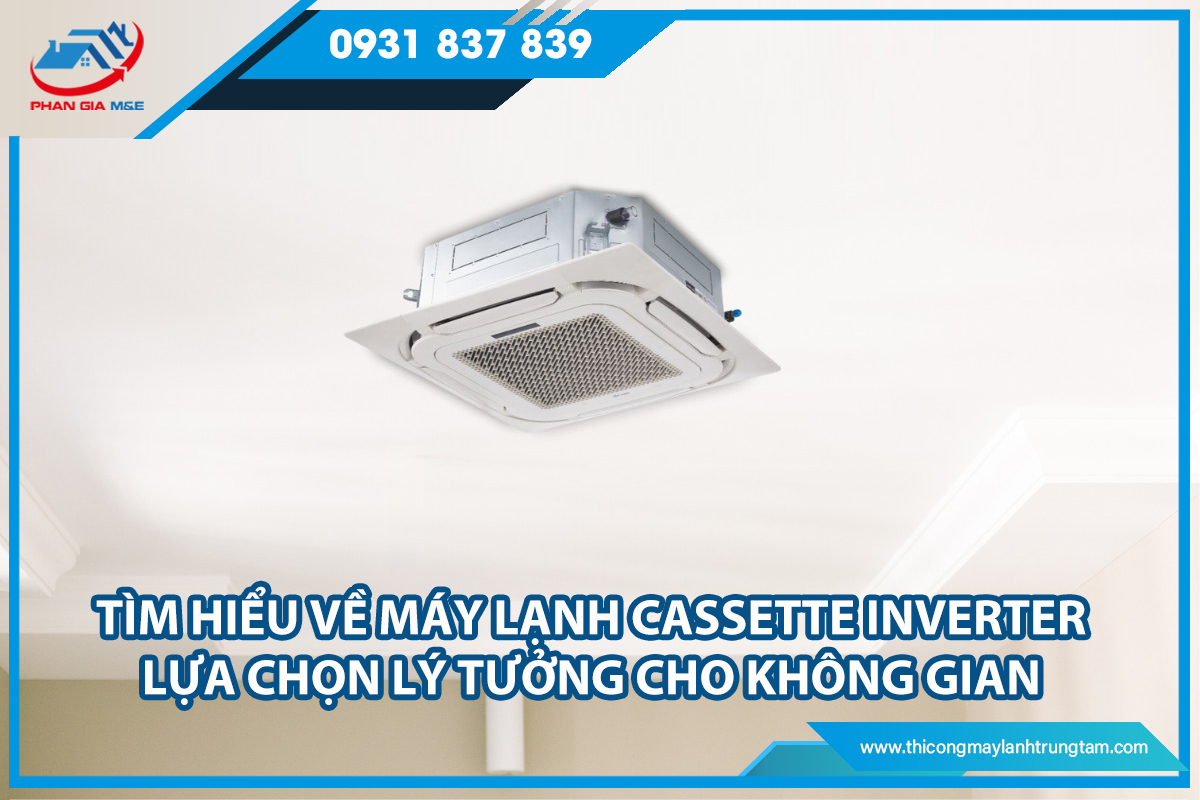
Các dàn lạnh của hệ thống điều hòa trung tâm cũng đa dạng, bao gồm các loại đặt sàn, treo tường, áp trần,…Tùy thuộc vào yêu cầu thiết kế và ngân sách đầu tư. Các kỹ sư sẽ tư vấn và thiết kế giải pháp phù hợp cho mô hình cụ thể.

Hiện nay, nhiều hãng điều hòa đã phát triển hệ thống điều hòa trung tâm sử dụng công nghệ VRV riêng của họ. Điều này mang đến sự đa dạng và lựa chọn cho người tiêu dùng, phù hợp với các yêu cầu.

Những ưu điểm của hệ thống máy lạnh trung tâm

Hệ thống điều hòa trung tâm là một giải pháp hiệu quả và tiết kiệm năng lượng, tuy nhiên. Nhiều người vẫn còn băn khoăn về lợi ích và ưu điểm mà nó mang lại. Dưới đây, chúng ta sẽ tìm hiểu về những ưu điểm quan trọng của hệ thống này.

Khả năng làm lạnh/sưởi ấm hiệu quả

Hệ thống điều hòa trung tâm có khả năng kết nối nhiều dàn lạnh cùng một lúc. Cho phép làm lạnh một không gian rộng, nhiều phòng một cách hiệu quả. Điều này khác biệt so với các hệ thống điều hòa cục bộ chỉ có khả năng kết nối 1-1.

Tính đa dạng của tính năng
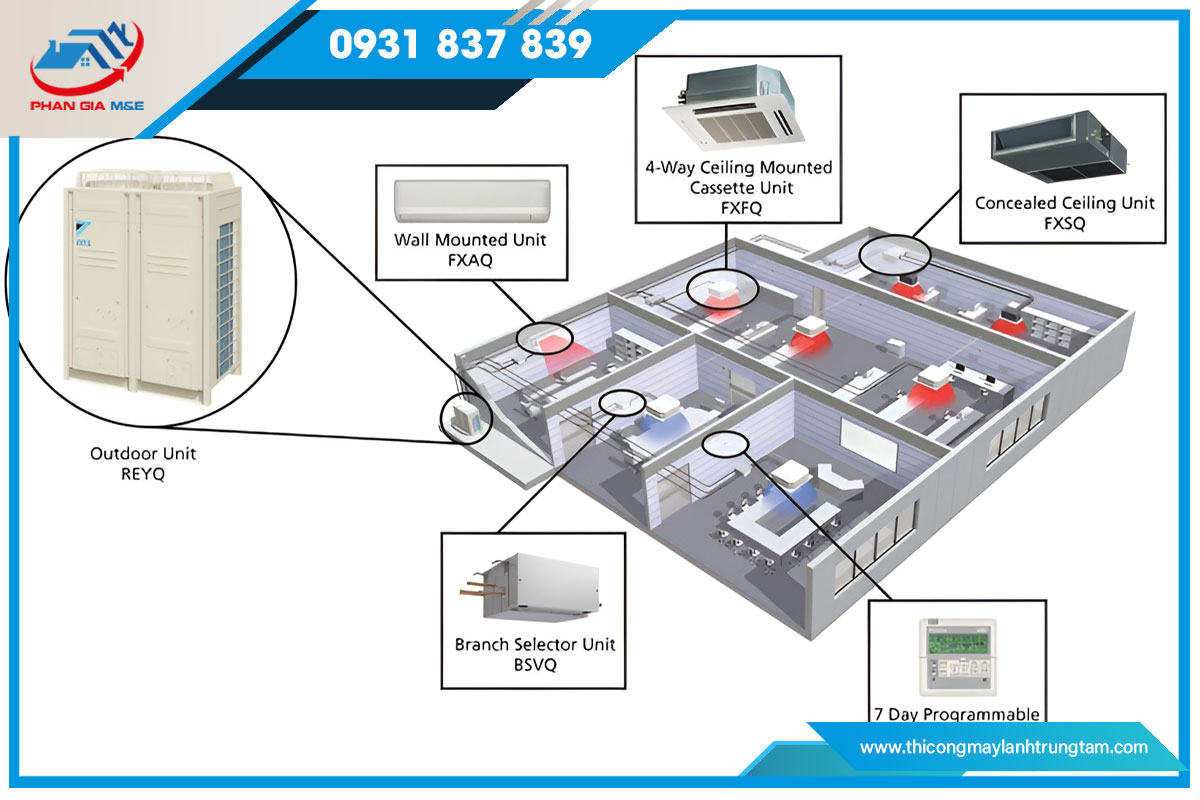
Hệ thống điều hòa trung tâm sử dụng gas làm lạnh để thực hiện việc làm lạnh. Và sau đó giải nhiệt bằng cách sử dụng gió. Dàn nóng của hệ thống này đáp ứng tổng nhu cầu làm lạnh của tòa nhà.  Thang công suất đa dạng giúp người dùng lựa chọn thiết bị phù hợp. Đảm bảo tính thẩm mỹ và linh hoạt trong việc bố trí.

Tiết kiệm điện năng tối đa

Máy nén trong hệ thống điều hòa trung tâm được điều khiển bằng biến tần. Điều chỉnh tải lạnh theo nhu cầu sử dụng. Điều này làm giảm lượng điện năng tiêu thụ so với thiết kế ban đầu, tiết kiệm năng lượng đáng kể.

Lắp đặt dễ dàng & Tiết kiệm chi phí

Lắp đặt hệ thống điều hòa trung tâm đơn giản và nhanh chóng. Với chỉ một cục nóng, quá trình lắp đặt trở nên không phức tạp. Điều này không chỉ giúp tiết kiệm thời gian mà còn giảm chi phí lắp đặt, đặc biệt phù hợp với các doanh nghiệp.

Giảm tiếng ồn

Hệ thống điều hòa trung tâm giảm tiếng ồn đáng kể. Cục nóng thường được đặt ở vị trí riêng biệt như sân thượng hoặc phòng riêng. Do đó không gây ảnh hưởng đến người sử dụng trong các phòng trong tòa nhà.

>>>Xem thêm: Bảo dưỡng hệ thống điều hòa trung tâm

Tuổi thọ cao

Hệ thống điều hòa trung tâm được thiết kế cho các công trình lớn. Vì vậy tuổi thọ của nó cao hơn rất nhiều so với các loại điều hòa dân dụng. Điều này đặc biệt đúng khi nó được bảo trì và bảo dưỡng định kỳ. Điều này làm tăng độ bền của máy lên đến 15-20 năm. Khi tính theo khấu hao trên toàn bộ thời gian sử dụng. Hệ thống điều hòa trung tâm trở thành lựa chọn tài chính hợp lý hơn.

Trên đây Điện Lạnh Phan Gia đã cung cấp các thông tin chi tiết về Lợi ích của máy lạnh trung tâm. Hy vọng bạn đã có thể tìm được giải pháp cho yêu cầu của mình một cách phù hợp nhất. Ngoài ra nếu cần tư vấn thêm; Vui lòng liên hệ qua website: http://dienlanhphangia.com/ hoặc https://thicongmaylanhtrungtam.com/ hotline: 0931 837 839.


Các tin khác

Understanding Your Bankroll
  • Setting Loss Limits
  • Choosing Appropriate Wager Sizes
  • Diversifying Your Game Selection
  • Tracking Your Gambling Spending
  • Knowing When to Stop
  • Comparison of Popular Bankroll Strategies
  • Common Myths vs. Facts About Bankroll Management
  • Step-by-Step Bankroll Management Plan
  • Understanding Your Bankroll

    Before you can manage your bankroll effectively, it’s crucial to understand what it entails. Your bankroll is the total amount of money allocated specifically for gambling activities at Goldwin Casino. This sum should be distinct from your daily expenses, savings, or emergency funds.

    Experts recommend starting with an amount you can afford to lose entirely—often called your “playing budget.” For instance, if you set aside $500 for gambling, this becomes your maximum bankroll for a given session or period.

    By knowing your total bankroll, you can plan your wagers better and avoid chasing losses, which can lead to significant financial problems.

    Setting Loss Limits to Protect Your Funds

    One of the most effective strategies in bankroll management is establishing strict loss limits. This means defining a maximum loss amount before starting to play. For example, if your initial bankroll is $200, consider setting a loss limit at 20% of that, i.e., $40.

    Once this limit is reached, you must stop gambling for the session. This discipline prevents emotional decision-making and helps preserve your remaining funds.

    Additionally, some players opt for a daily loss cap, stopping gambling after losing a specific amount within 24 hours, ensuring losses don’t spiral out of control.

    Choosing Appropriate Wager Sizes Based on Your Bankroll

    The size of your bets should be proportional to your total bankroll. A common recommendation is to wager no more than 1-5% of your total bankroll per bet. For example, with a $500 bankroll, your maximum wager should be between $5 and $25.

    This conservative approach ensures that even a losing streak doesn’t deplete your entire funds rapidly. Additionally, adjusting wager sizes based on game volatility can improve your chances of long-term profitability.

    For high RTP (Return to Player) games like blackjack (96.5%), smaller wagers can maximize your session duration and overall chances of profit.

    Diversifying Your Game Selection to Manage Risk

    Playing multiple games diversifies your risk and prevents overexposure to the volatility of any single game. For example, combining low-volatility slots with strategic table games like blackjack or poker can balance your overall risk profile.

    Here’s a comparison of game types based on volatility and expected RTP:

    Game Type Volatility Average RTP Suitability for Bankroll Management
    Slots High 92-96% Higher risk, suitable with smaller wagers
    Blackjack Low to Medium 96.5% Better for preserving bankroll with strategic play
    Poker Variable Depends on skills and game type Requires skill but can be more predictable

    Tracking Your Gambling Spending

    Consistently monitoring how much you spend during each session is vital. Use digital tools or keep a manual log to record every wager, win, and loss. This data allows you to analyze patterns and adjust your strategy accordingly.

    For example, if you notice that you tend to lose more when wagering over $20, you can set this as your maximum bet limit per round.

    Tracking also helps identify whether your gambling behavior stays within your predetermined bankroll limits, preventing unintended overspending.

    Knowing When to Stop: The Key to Long-Term Success

    Recognizing the right moment to cease gambling is crucial. Set clear thresholds—such as a profit target (e.g., doubling your bankroll) or a loss cap—and stick to them. For instance, if your goal is to make $50 profit, stop once you hit that mark.

    Similarly, if you have lost your predetermined loss limit, it’s time to walk away. Emotional gambling often leads to chasing losses, which can be disastrous.

    Practicing self-discipline ensures your bankroll remains protected and your gambling remains enjoyable.

    Comparison of Popular Bankroll Management Strategies

    Choosing the right strategy depends on your risk tolerance and gaming style. Below is a comparison table of common approaches:

    Strategy Description Ideal for Pros Cons
    Flat Betting Wagering the same amount on each bet Conservative players Easy to manage, minimizes losses Limited upside during winning streaks
    Percentage Betting Betting a fixed % of current bankroll Moderate risk players Adjusts with bankroll size, flexible Requires constant calculation
    Martingale System Doubling bets after losses High-risk takers Potential quick recovery of losses Rapid bankroll depletion during losing streaks

    Common Myths vs. Facts About Bankroll Management

    Myth: You need a huge bankroll to enjoy gambling

    Fact: Effective bankroll management allows you to play responsibly with modest funds. Many successful players start with as little as $100 and grow their bankroll over time.

    Myth: Larger bets mean bigger wins

    Fact: While larger wagers can lead to bigger wins, they also significantly increase the risk of large losses, especially if not managed carefully.

    Myth: You can recover losses quickly if you keep betting

    Fact: Chasing losses often results in even greater losses. A disciplined approach with predefined limits is more effective.

    Step-by-Step Bankroll Management Plan at Goldwin Casino

    1. Set Your Total Bankroll: Decide on an amount you can afford to lose, such as $500.
    2. Define Loss and Win Limits: For example, stop after losing $100 or winning $150.
    3. Choose Wager Sizes: Stick to wagering no more than 2-3% of your bankroll per game, e.g., $10 on a $500 bankroll.
    4. Track Your Sessions: Log every bet, win, and loss to analyze your behavior and adjust accordingly.
    5. Diversify Game Play: Rotate between slots and table games to manage volatility effectively.
    6. Practice Discipline: Stop playing once you reach your set limits, avoiding emotional decisions.
    7. Review and Adjust: Regularly evaluate your bankroll management plan and modify limits as your experience grows.

    Implementing these steps consistently enhances your chances of enjoying gambling responsibly and sustainably at goldwin.

    ">Tips for Managing Your Bankroll at Goldwin Casino

    Managing your bankroll effectively is essential for a sustainable and enjoyable gambling experience at goldwin. Proper bankroll management not only extends your playing time but also helps protect your funds from unnecessary losses. Whether you’re a seasoned player or just starting out, these strategies will help you optimize your approach at Goldwin Casino.

    Table of Contents

    Understanding Your Bankroll

    Before you can manage your bankroll effectively, it’s crucial to understand what it entails. Your bankroll is the total amount of money allocated specifically for gambling activities at Goldwin Casino. This sum should be distinct from your daily expenses, savings, or emergency funds.

    Experts recommend starting with an amount you can afford to lose entirely—often called your “playing budget.” For instance, if you set aside $500 for gambling, this becomes your maximum bankroll for a given session or period.

    By knowing your total bankroll, you can plan your wagers better and avoid chasing losses, which can lead to significant financial problems.

    Setting Loss Limits to Protect Your Funds

    One of the most effective strategies in bankroll management is establishing strict loss limits. This means defining a maximum loss amount before starting to play. For example, if your initial bankroll is $200, consider setting a loss limit at 20% of that, i.e., $40.

    Once this limit is reached, you must stop gambling for the session. This discipline prevents emotional decision-making and helps preserve your remaining funds.

    Additionally, some players opt for a daily loss cap, stopping gambling after losing a specific amount within 24 hours, ensuring losses don’t spiral out of control.

    Choosing Appropriate Wager Sizes Based on Your Bankroll

    The size of your bets should be proportional to your total bankroll. A common recommendation is to wager no more than 1-5% of your total bankroll per bet. For example, with a $500 bankroll, your maximum wager should be between $5 and $25.

    This conservative approach ensures that even a losing streak doesn’t deplete your entire funds rapidly. Additionally, adjusting wager sizes based on game volatility can improve your chances of long-term profitability.

    For high RTP (Return to Player) games like blackjack (96.5%), smaller wagers can maximize your session duration and overall chances of profit.

    Diversifying Your Game Selection to Manage Risk

    Playing multiple games diversifies your risk and prevents overexposure to the volatility of any single game. For example, combining low-volatility slots with strategic table games like blackjack or poker can balance your overall risk profile.

    Here’s a comparison of game types based on volatility and expected RTP:

    Game Type Volatility Average RTP Suitability for Bankroll Management
    Slots High 92-96% Higher risk, suitable with smaller wagers
    Blackjack Low to Medium 96.5% Better for preserving bankroll with strategic play
    Poker Variable Depends on skills and game type Requires skill but can be more predictable

    Tracking Your Gambling Spending

    Consistently monitoring how much you spend during each session is vital. Use digital tools or keep a manual log to record every wager, win, and loss. This data allows you to analyze patterns and adjust your strategy accordingly.

    For example, if you notice that you tend to lose more when wagering over $20, you can set this as your maximum bet limit per round.

    Tracking also helps identify whether your gambling behavior stays within your predetermined bankroll limits, preventing unintended overspending.

    Knowing When to Stop: The Key to Long-Term Success

    Recognizing the right moment to cease gambling is crucial. Set clear thresholds—such as a profit target (e.g., doubling your bankroll) or a loss cap—and stick to them. For instance, if your goal is to make $50 profit, stop once you hit that mark.

    Similarly, if you have lost your predetermined loss limit, it’s time to walk away. Emotional gambling often leads to chasing losses, which can be disastrous.

    Practicing self-discipline ensures your bankroll remains protected and your gambling remains enjoyable.

    Comparison of Popular Bankroll Management Strategies

    Choosing the right strategy depends on your risk tolerance and gaming style. Below is a comparison table of common approaches:

    Strategy Description Ideal for Pros Cons
    Flat Betting Wagering the same amount on each bet Conservative players Easy to manage, minimizes losses Limited upside during winning streaks
    Percentage Betting Betting a fixed % of current bankroll Moderate risk players Adjusts with bankroll size, flexible Requires constant calculation
    Martingale System Doubling bets after losses High-risk takers Potential quick recovery of losses Rapid bankroll depletion during losing streaks

    Common Myths vs. Facts About Bankroll Management

    Myth: You need a huge bankroll to enjoy gambling

    Fact: Effective bankroll management allows you to play responsibly with modest funds. Many successful players start with as little as $100 and grow their bankroll over time.

    Myth: Larger bets mean bigger wins

    Fact: While larger wagers can lead to bigger wins, they also significantly increase the risk of large losses, especially if not managed carefully.

    Myth: You can recover losses quickly if you keep betting

    Fact: Chasing losses often results in even greater losses. A disciplined approach with predefined limits is more effective.

    Step-by-Step Bankroll Management Plan at Goldwin Casino

    1. Set Your Total Bankroll: Decide on an amount you can afford to lose, such as $500.
    2. Define Loss and Win Limits: For example, stop after losing $100 or winning $150.
    3. Choose Wager Sizes: Stick to wagering no more than 2-3% of your bankroll per game, e.g., $10 on a $500 bankroll.
    4. Track Your Sessions: Log every bet, win, and loss to analyze your behavior and adjust accordingly.
    5. Diversify Game Play: Rotate between slots and table games to manage volatility effectively.
    6. Practice Discipline: Stop playing once you reach your set limits, avoiding emotional decisions.
    7. Review and Adjust: Regularly evaluate your bankroll management plan and modify limits as your experience grows.

    Implementing these steps consistently enhances your chances of enjoying gambling responsibly and sustainably at goldwin.

    Các tin khác